
Insights
Select the terms
Why Flexible Kitchens Matter More Than New Buildings
Steve Giardini of Michigan Dining shares why flexible kitchen design, not more square footage, is the priority for the university's next facilities, and how automation is helping ease a major staffing challenge.
Station Nine: How Illinois State Built an Allergen-Free Venue That Everyone Wants
Illinois State University set out to build a safe dining venue for students with food allergies. Bill Legett shares how Station Nine became one of campus's most popular stops for everyone, allergies or not, and what made the program work.
Why William & Mary Puts Customer Service at the Center of Auxiliary Services
Jackson Mathews, AVP of Auxiliary Services at William & Mary, joins Brendan Evje to discuss why meeting students where they are (not where you expect them to be) is the most fundamental opportunity in campus auxiliary services right now.
Why Meal Plan Value Means More Than the Dining Hall
Angela Rader of Sacramento State shares how food insecurity is shaping meal plan strategy on campus, and how a new residence hall is adding a required discounted meal program into the mix.
Tour the Trends: A Chicago Food Tour Through My Two Worlds
Eavan Jennings recently joined an invite-only restaurant tour in Chicago without knowing a single stop on the itinerary. From a bar top built for watching drinks being made to lessons on storytelling and student choice, she found plenty to bring back to campus dining.

What Actually Determines the Success of a Dining Transition
Geoff Labe, Assistant Vice President for Operations at Lafayette College, sits down with Mindy Segal to walk through Lafayette's limited RFP process, from the assessment work that surfaced real campus challenges to the first difficult year with a new dining partner and the renovations that followed.
Swarthmore’s Balanced Approach to Campus Services
Anthony Coschignano of Swarthmore College shares how his team is using automation to handle volume and reduce friction, while protecting the human connections that make campus auxiliary services meaningful.
Why Illinois State University’s Allergen-Free Dining Station Became Everyone’s Favorite
Bill Legett of Illinois State University shares how a top-nine allergen-free dining station built to serve students with dietary needs became one of the most popular concepts on campus, and what that says about where student dining is headed.
The Retention Equation: Why Auxiliary Investment Matters More Than Ever
Ben Perlman of Saint Louis University shares why the strongest argument for dining and auxiliary investment isn't about amenities, it's about belonging, and why that makes it one of the most strategically important conversations in higher education right now.
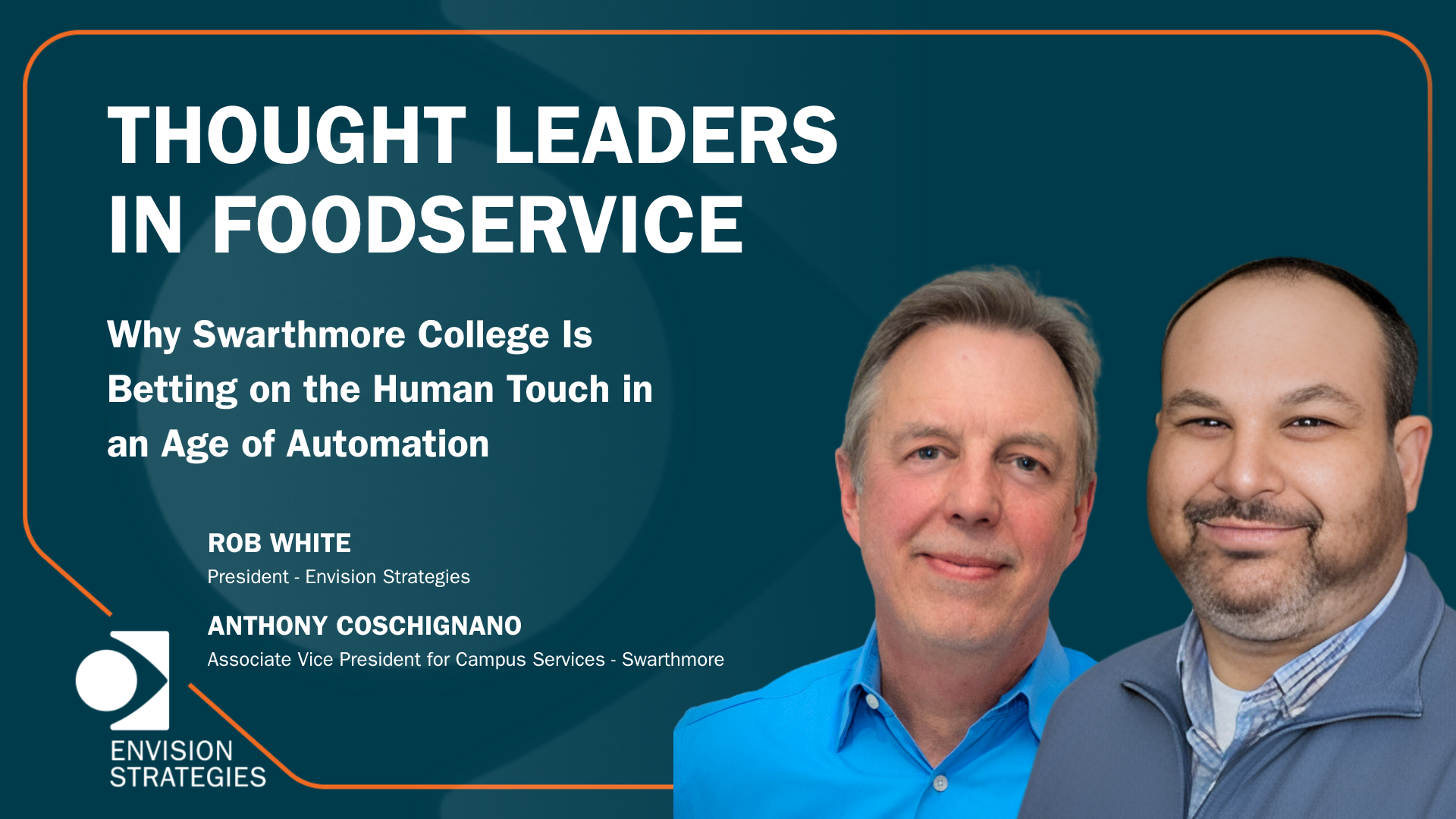
Why Swarthmore College Is Betting on the Human Touch in an Age of Automation
Anthony Coschignano, Associate Vice President for Campus Services at Swarthmore College, joins Rob White to discuss the staffing pressures, automation opportunities, and one thing no kiosk can replace in campus auxiliary services: the human touch.
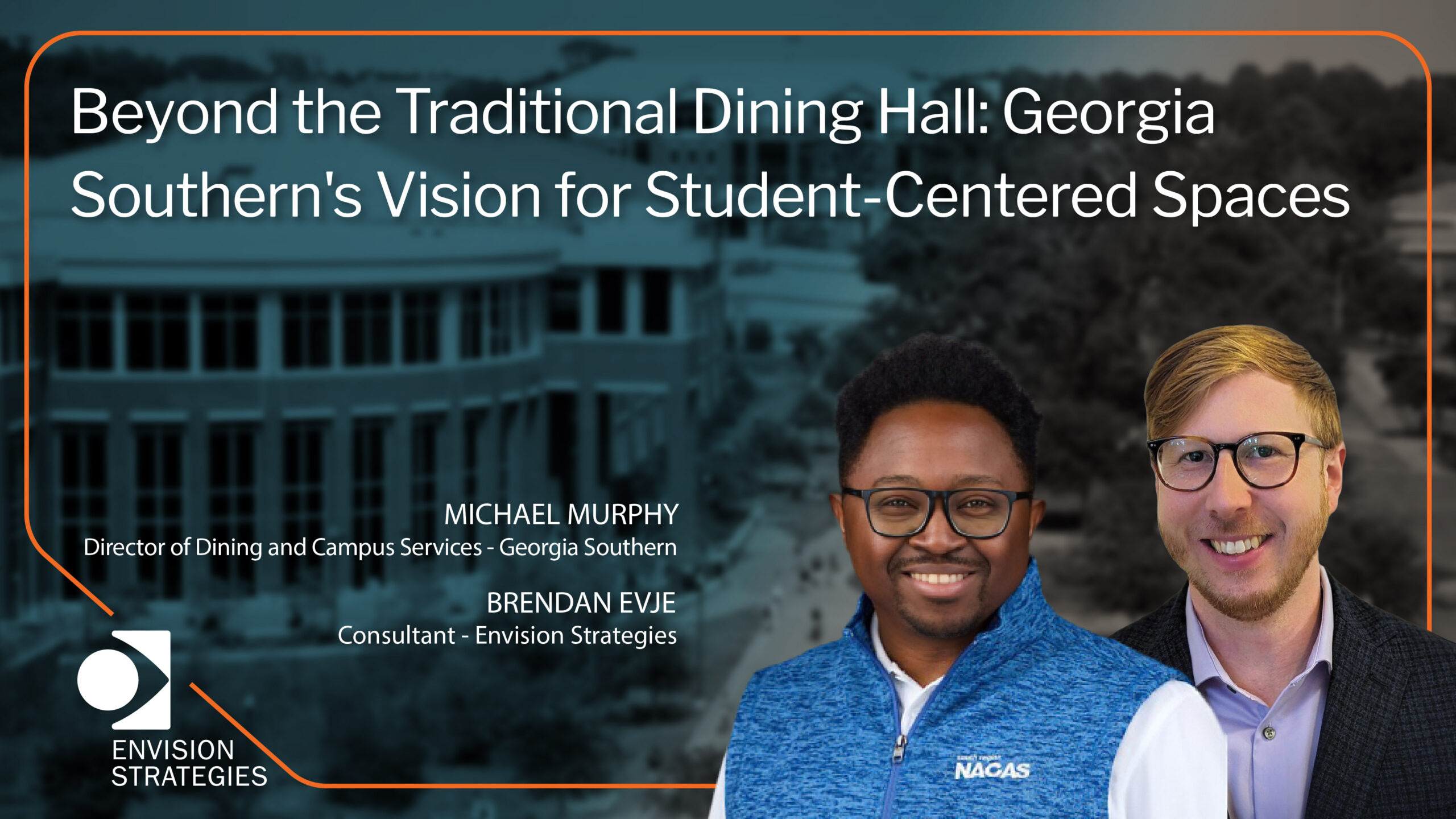
Beyond the Traditional Dining Hall: Georgia Southern’s Vision for Student-Centered Spaces
Michael Murphy of Georgia Southern University makes the case for moving beyond single-function dining halls toward student-centered spaces that serve the full campus community, and shares what students are actually asking for right now.
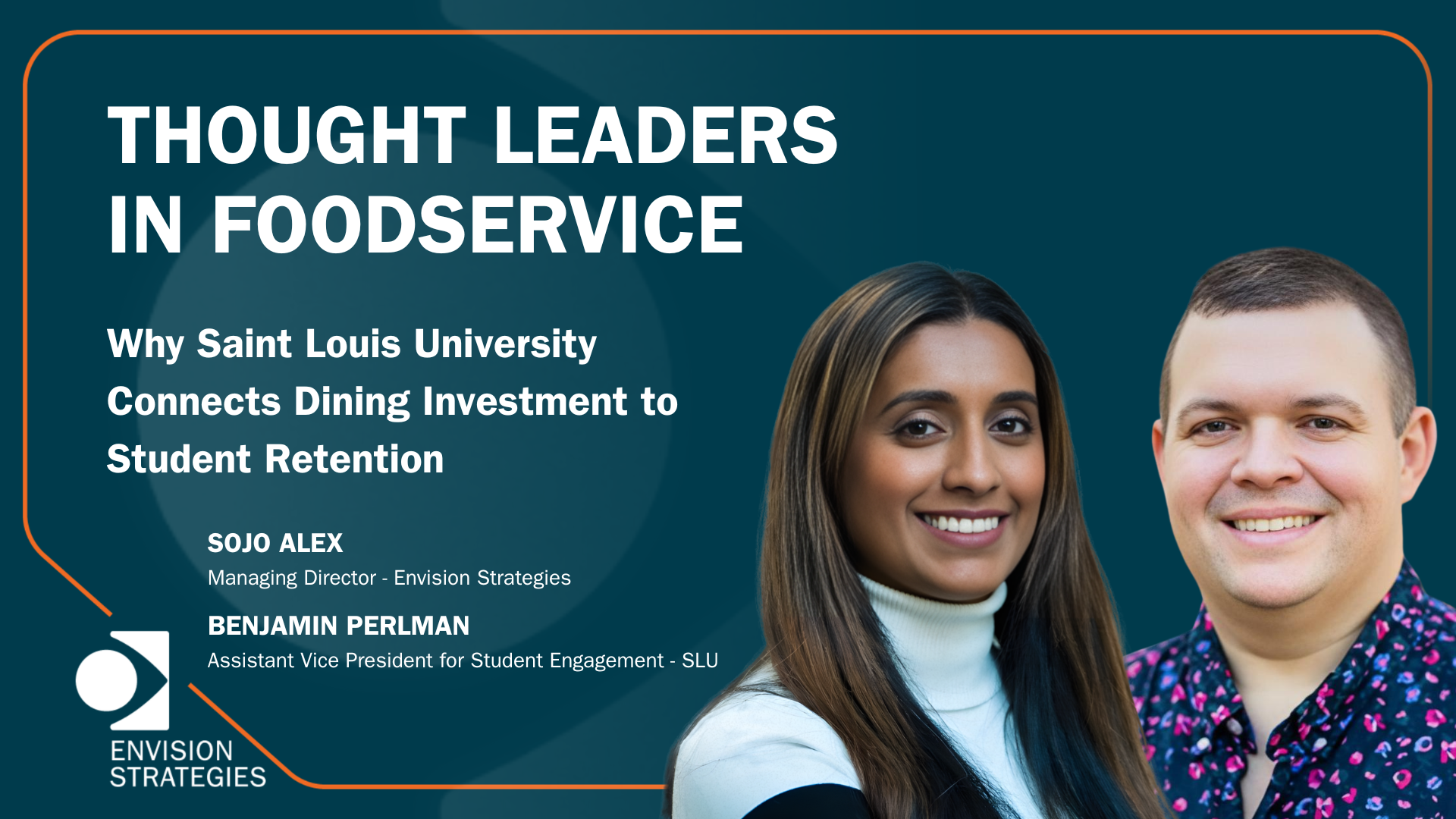
Why Saint Louis University Connects Dining Investment to Student Retention
Ben Perlman, Assistant Vice President for Student Engagement at Saint Louis University, joins Sojo Alex to discuss why investment in campus dining and auxiliary services is ultimately an argument about student belonging, and why that makes it one of the most strategically important conversations in higher education right now.
No results found.


